October 9, 2026
Reliable home heating involves more than producing warmth when the thermostat calls for it. Households also need a dependable supply, equipment suited to the home, and a practical way to prepare for changing weather. A heating arrangement works best when those parts fit together without leaving essential decisions until the house begins to feel cold.
For many households, fuel oil remains part of that arrangement because it combines an established heating method with delivery directly to the property. Its continued usefulness depends on matching supply to actual household needs. Understanding the relationship between stored fuel, existing equipment, and delivery planning helps explain why this option remains relevant.
An Established Role in Residential Heating
Heating preferences vary across the country, reflecting differences in climate, housing, and available infrastructure. In communities where oil heating is already common, homeowners often begin with a system designed around delivered fuel. Keeping that system supplied is a familiar part of caring for the property rather than an entirely new household responsibility.
According to Dataintelo, North America is the leading regional market for heating oil, representing approximately 39% of worldwide consumption. That substantial share reflects the continuing role of oil heating across the region. For households that already depend on it, reliable delivery remains an important connection between the heating equipment inside the home and the supply it needs to operate.
Delivered fuel oil serves an ongoing residential need, particularly in homes with established oil-fired systems. Its usefulness becomes apparent through ordinary winter routines: warming rooms before the household wakes, maintaining comfort during the day, and responding as outdoor temperatures fall. The practical question for those homeowners is how to keep that familiar heating arrangement supported throughout the season.
A Supply Stored at the Property
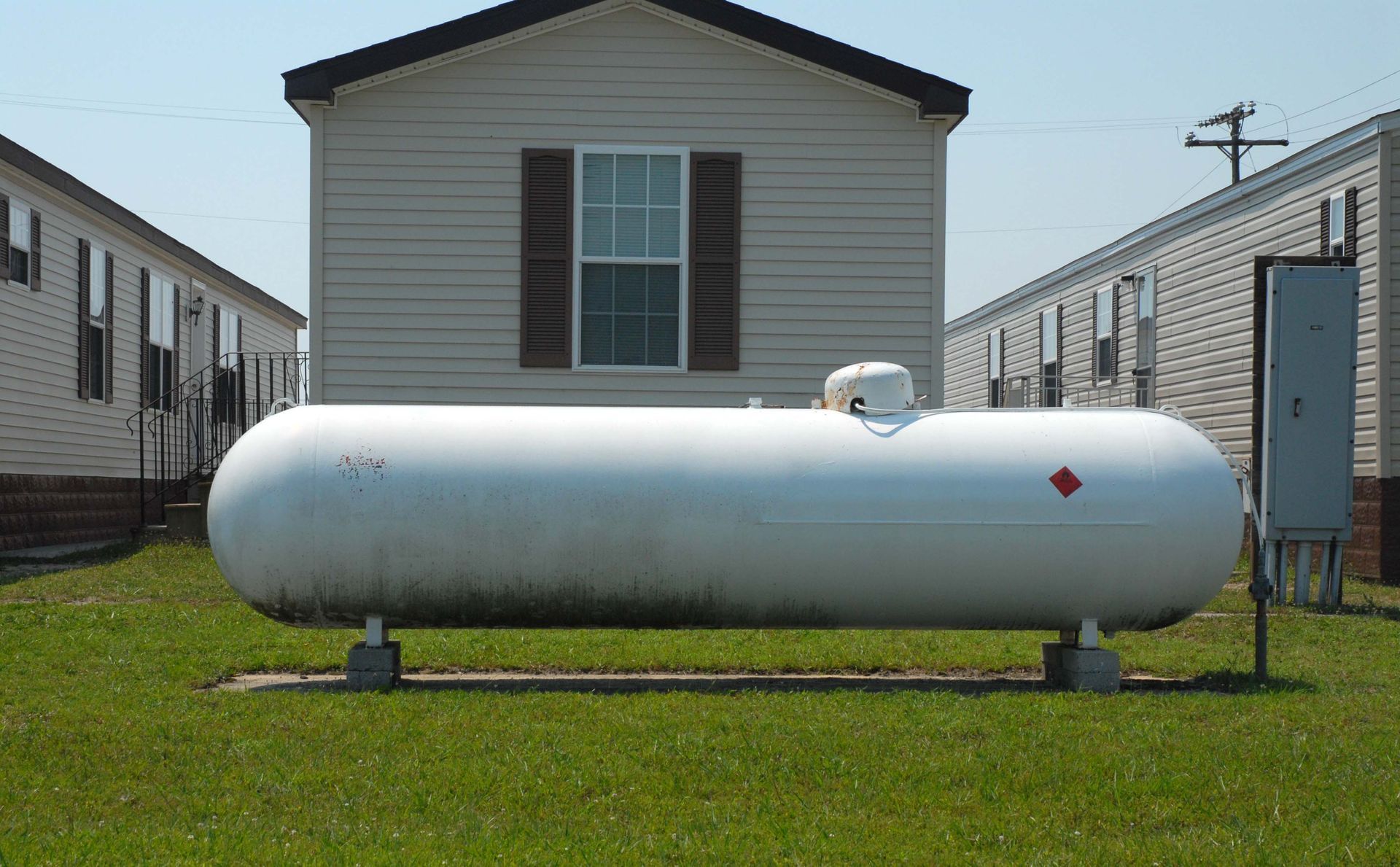
An oil-heated home holds its heating supply in a tank at the property. Deliveries replenish that reserve, and the heating system draws from it as needed. Having fuel on site gives homeowners a concrete starting point for understanding how the next period of heating demand will be covered. Tank capacity varies by property, so the amount available between deliveries is a household-specific part of planning.
A stored supply of fuel oil provides a reserve between deliveries. Its duration depends on the amount available and the home's rate of use, which changes with weather and heating habits. The benefit lies in having fuel ready for the equipment to draw upon rather than arranging a delivery each time the system runs.
That reserve also makes preparation important. A tank that met the household's needs during mild weather may be used more quickly when temperatures remain low for several days. Delivery planning should reflect those shifts, leaving sufficient room in the schedule for replenishment. Keeping supply ahead of demand helps the household use its heating system without an avoidable interruption caused by an empty tank.
Compatibility With Existing Heating Equipment
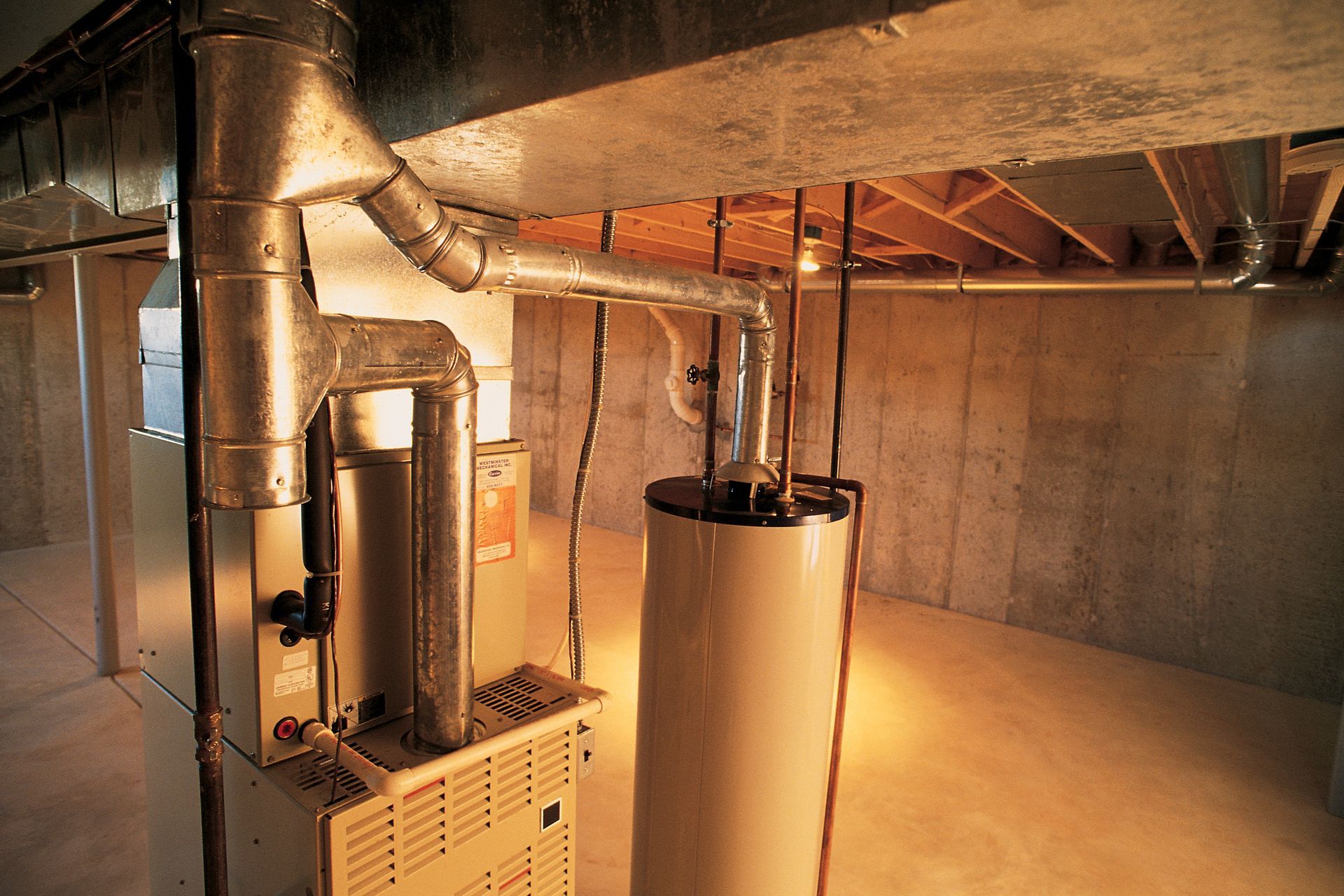
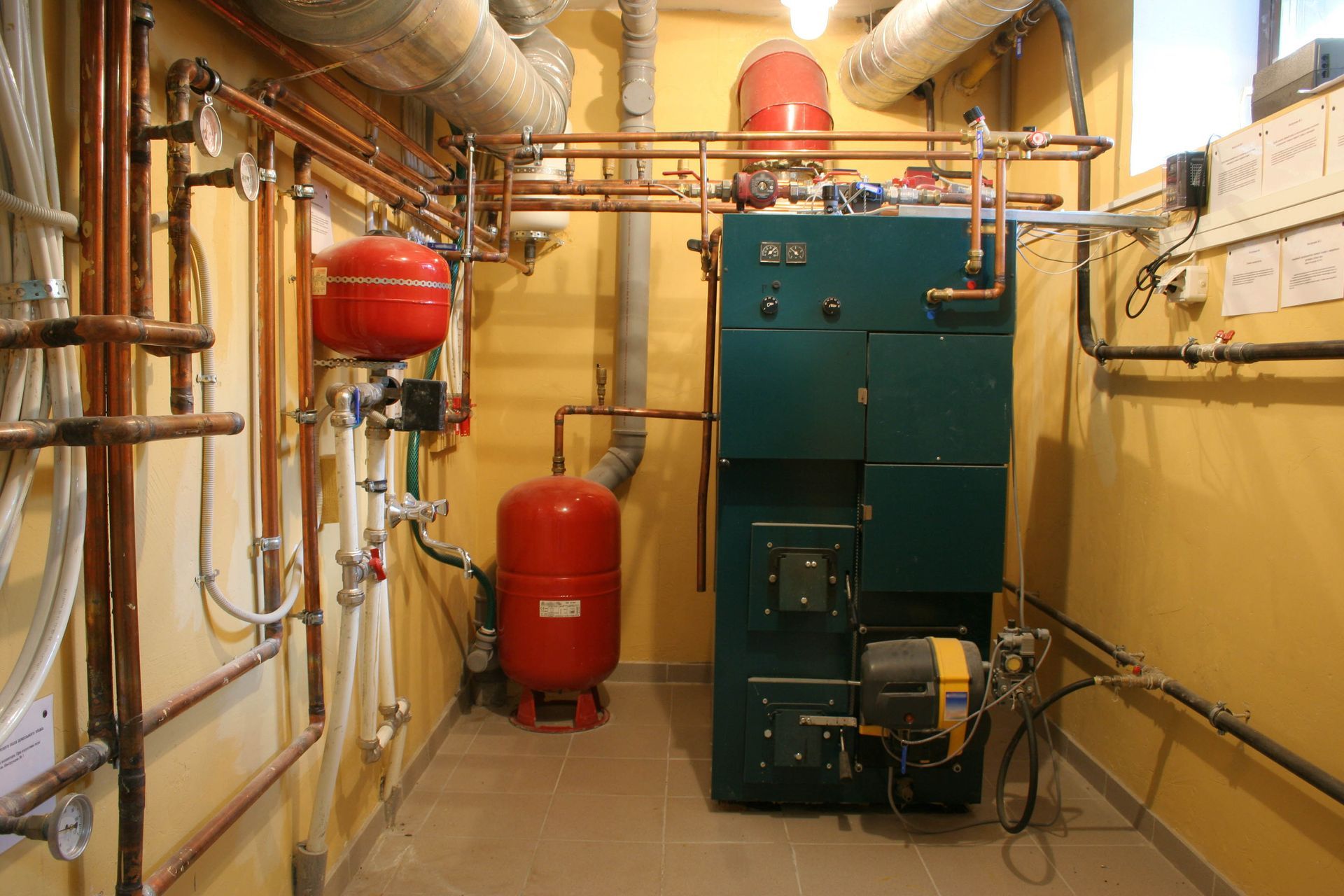
Many homes already have an oil-fired furnace or boiler as part of their heating arrangement. A furnace distributes heated air, while a boiler supplies heat through a water-based system. In either case, the equipment and the delivered fuel work together to serve the home.
Continuing to use fuel oil can be a practical choice when the existing equipment remains suitable for the household's needs. Homeowners can maintain a familiar heating arrangement while concentrating on dependable supply and appropriate equipment care. The system's condition matters more than assuming that familiarity alone makes every older installation dependable.
Professional equipment assessment belongs alongside delivery planning. A sufficient supply cannot correct a mechanical problem, just as well-maintained equipment cannot produce heat after the tank runs empty. Paying attention to both helps distinguish supply needs from equipment concerns. For homes with functioning oil-fired systems, coordinated care and delivery support the heating arrangement already in place without making replacement a necessary part of obtaining fuel.
Comfort Through Extended Cold Weather
A brief chilly morning and a prolonged cold spell place different demands on a home. When outdoor temperatures stay low, heating equipment may need to run more often to maintain the desired indoor temperature. Reliable comfort depends on having enough supply to support that increased use throughout the colder period.
A dependable supply of fuel oil gives compatible heating equipment what it needs to continue operating as the thermostat calls for heat. The quality of indoor comfort also depends on the equipment, the home's insulation, and how heat is distributed. For example, two nearby houses experiencing the same outdoor temperature can use different amounts because their size, insulation, and preferred indoor settings differ. Delivery supports that broader arrangement by keeping a necessary input available when heating demand rises.
Changes in household routines can affect demand, too. More time spent at home or a different temperature preference may alter how much heating is needed, even when the weather seems familiar. Sharing those changes with the delivery provider helps planning reflect current use. Consistency comes from preparing for the home's actual needs instead of assuming every winter or every delivery interval will be identical.
Delivery Options That Fit Different Households
Households differ in how they prefer to manage replenishment. Some want the provider to coordinate ongoing deliveries, while others prefer to request an order themselves. Automatic delivery and will-call programs offer different ways to keep an oil-heated home supplied, allowing the service arrangement to reflect the homeowner's preferred level of involvement.
Automatic fuel oil delivery centers on planning replenishment before the available supply becomes insufficient. The provider uses its delivery-planning process to organize service, reducing the need for homeowners to initiate every order. Clear communication still matters, particularly when occupancy, heating habits, or other circumstances change the household's usual consumption.
With will-call service, the homeowner requests delivery when replenishment is needed. That option allows direct involvement in ordering, but it also makes timely communication especially important. Waiting until the tank is nearly empty leaves less flexibility for scheduling during busy periods. Both approaches depend on realistic planning; the useful difference is who initiates the delivery and how the household prefers to stay involved in that process.
Coordination That Keeps Supply Dependable
Delivered heating fuel connects the home to a service that must account for routes, weather, and customer needs. Dependability therefore involves more than the product in the tank. It also depends on accurate information about the property and clear expectations about how deliveries will be arranged.
Property details can make a difference to the delivery process. The provider needs to understand where the tank's fill point is located and whether anything affects access to it. Information about a new gate, changed driveway access, or other property changes helps prevent confusion when the delivery vehicle arrives. Discussing those details in advance gives the provider a clearer basis for organizing service.
Seasonal communication is equally useful. Homeowners who explain their delivery preferences and changing heating needs give the provider information that can support scheduling. Questions about order timing are easier to resolve while a reserve remains available than after the home has exhausted its supply. A dependable relationship develops through that practical exchange, keeping replenishment connected to the conditions at the property.
Dependable heating is an ongoing relationship between the household's needs and the supply that supports them. For an oil-heated home, thoughtful delivery planning keeps that relationship useful as weather and daily routines change. At Falcon Oil, we provide home heating oil delivery through automatic and will-call options that accommodate different preferences for managing supply. Contact us to discuss a delivery arrangement suited to your home's heating needs.